 Workout
 Meditation




 Contact Us


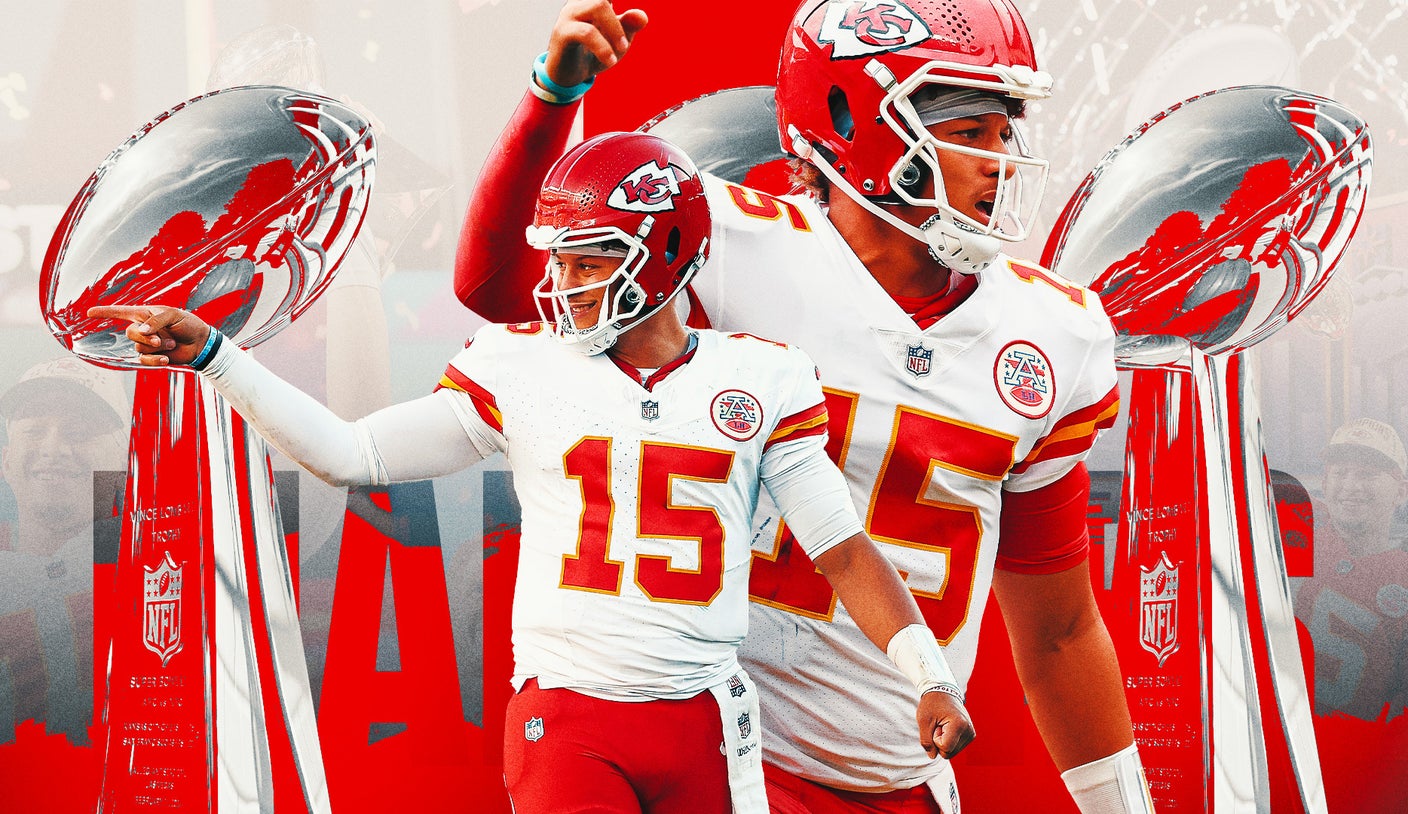
The Chiefs, as you may have heard, are trying to become the first NFL team to win three consecutive championships in the Super Bowl era. Kansas City is just two wins away from doing so, meaning the Chiefs are the closest any team has been in the last 48 years.
In general, it is not easy to do three repetitions. No team in the four major sports has done it in the last 20 years. The Los Angeles Lakers won three NBA titles between 2000 and 2002, the New York Yankees did so in baseball between 1998 and 2000, and the New York Islanders won four consecutive Stanley Cups between 1980 and 1983.
But in the NFL, reaching the Super Bowl after two consecutive championships would be unprecedented. That’s not all the Chiefs are looking for, of course, but as they prepare to host the Bills in the AFC Championship Game, let’s take a look at the eight NFL teams that won back-to-back Super Bowls and why they won. They fell short in their search for a third party. (Note: The years correspond to the seasons they played in, not the year of the Super Bowl.)

New England Patriots2003-05
WHY THEY WON: There were three championships in four years, and the consecutive titles came two years after Tom Brady’s triumphant arrival in the 2001 season. These two rings were largely due to New England’s defense, which allowed the least most points in the league in 2003 and the second-fewest in 2004. Brady threw three touchdowns and set up Adam Vinatieri’s game-winning goal to beat Carolina, and the Patriots repeated when Brady threw two more touchdowns and Rodney Harrison intercepted Donovan McNabb for a close victory over the Eagles.
HOW THEY FELL SHORT: New England opened the 2005 season just 6-5, finished strong to go 10-6, but had to go on the road in the divisional round. The Patriots played in Denver and struggled, with Brady throwing two interceptions and scoring just six points to a touchdown in the fourth quarter. If you don’t remember Brady losing to Jake Plummer and the Broncos, it’s probably because Denver lost a week later to Pittsburgh en route to a Steelers championship.
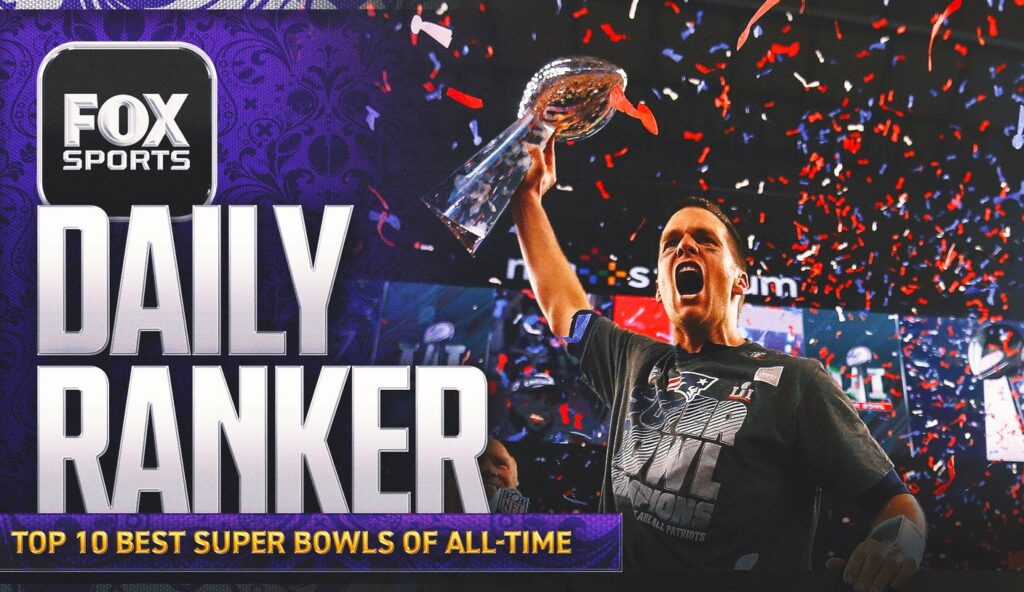
Tom Brady led the Patriots to their second title and the start of a double victory, with a 32-29 victory over the Panthers in Super Bowl XXXVIII. (Photo by Matthew West/MediaNews Group/Boston Herald via Getty Images)
Denver Broncos1997-99
WHY THEY WON: Fourteen years into his NFL career, John Elway had a 7-7 playoff record and two lopsided losses in the Super Bowl. But everything came together in 1997-98, thanks in part to Terrell Davis, who ran for 581 yards and eight touchdowns in the 1997 playoffs, then 468 yards in three games when the Broncos repeated. Davis scored the go-ahead touchdown to beat the Packers the first year, then Elway led Denver to a 31-6 lead in an easy replay victory over the Falcons.
HOW THEY FELL SHORT: Elway came out on top, retiring after back-to-back titles, and the Broncos then took a big step back. They opened the 1999 season 0-4 and finished 6-10, with second-year quarterback Brian Griese posting 14 touchdowns against 14 interceptions. Denver would not win another playoff game until the 2005 season, when they ended New England’s chances at a third title.
dallas cowboys1992-94
WHY THEY WON: How about the Cowboys? Three years after a 1-15 season, Jimmy Johnson and Jerry Jones had the “triplets” (quarterback Troy Aikman, running back Emmitt Smith and receiver Michael Irvin) and dominated the NFL, winning six playoff games, all for double-digit points and Two easy Super Bowls over the Bills. The 1993 Cowboys ranked second in points scored and second in points allowed, with eight Pro Bowlers and a league MVP in Smith, who led the NFL in rushing in both championship seasons.
[Related: ‘How bout them Cowboys’: Looking back at the iconic phrase 32 years later]
HOW THEY CAME SHORT: Johnson and Jones parted ways and Barry Switzer took over. Dallas wasn’t as dominant, with Aikman throwing 13 touchdowns in 14 starts, and although the Cowboys won the NFC East again, they lost two of their last three and had to go on the road in the divisional round. The 49ers fell hard, with three turnovers in the first five minutes, starting with an Aikman pick-six, leading to a 21-0 deficit. The Cowboys would never get closer than 10 points the rest of the way, although they would win another Super Bowl the next season with Switzer for three in four years.
Jimmy Johnson led the Cowboys to two consecutive Super Bowl titles before leaving for the Dolphins after the 1993 season. (Photo by James Smith/Getty Images)
San Francisco 49ers1988-90
WHY THEY WON: After two titles in the early 1980s, San Francisco had lost its first playoff game three years in a row, but returned in dominant fashion in 1988-89. Bill Walsh and Joe Montana were the center of the first, and although the 1988 victory was close, a 10-6 team that needed a Montana touchdown to John Taylor with 0:34 left to beat the Bengals, the 1989 team was ranked first. one-year coach George Seifert. San Francisco went 14-2 and won three playoff games by a combined 100 points, including a 55-10 rout of the Broncos in the Super Bowl. Montana threw five touchdowns in that game, three of them to Jerry Rice.
HOW THEY CAME SHORT: The 49ers went 14-2 again in 1990, but the league’s best offense ran into the NFL’s best defense in the divisional round, the Giants and Bill Parcells. New York won 15-13 without scoring a touchdown, limiting Montana to 190 yards en route to its own Super Bowl championship. Montana would never start another game for the 49ers due to an elbow injury, although the 49ers would win another Super Bowl with Seifert and Steve Young in 1994.
Pittsburgh Steelers1978-80
WHY THEY WON: Pittsburgh won four titles in six years between 1974 and 1979, owning a decade like few teams in NFL history. The 1978 team was the most dominant of the four, going 14-2 and using four Terry Bradshaw touchdown passes to beat Dallas. The 1979 team went 12-4 and trailed the Rams in the fourth quarter of the Super Bowl before Bradshaw threw a 73-yard touchdown to John Stallworth. Bradshaw threw for 318 and 309 yards in the two Super Bowls, the latter with 14 completions.
HOW THEY FELL SHORT: After eight straight years in the playoffs, the Steelers struggled, losing two of their last three to finish 9-7 and miss the postseason. It was the beginning of the end: Key pieces of the 1970s dynasty would retire and Pittsburgh would record just two playoff wins over the next 14 seasons, returning to the Super Bowl in 2005 and losing to the Cowboys.
Terry Bradshaw threw for 318 yards and four touchdowns in Super Bowl XIII, leading the Steelers to a 35-31 victory over the Cowboys. (Photo by Focus on Sport/Getty Images)
Pittsburgh Steelers1974-76
WHY THEY WON: Pittsburgh’s first chance at a third title came early in their dynastic career. Led by a defense loaded with Hall of Famers, the Steelers held their last 12 opponents to 17 points or fewer in 1974. In a Super Bowl victory over Minnesota, they limited the Vikings to 119 yards of total offense, and his only points came from a blocked punt. A year later, Pittsburgh intercepted Roger Staubach three times in the second half and got another long touchdown from Bradshaw in the comeback to beat the Cowboys and secure a second straight title.
HOW THEY FELL SHORT: This is the latest team chasing a three-peat that even made it to a conference championship game. Pittsburgh’s defense allowed less than 10 points per game, but offensively, the Steelers were without star running backs Franco Harris and Rocky Bleier due to injuries. Pittsburgh lost 24-7 in the AFC title game to Oakland and John Madden en route to the Raiders’ Super Bowl championship.
Miami Dolphins1972-74
WHY THEY WON: The 1972 Dolphins are famous for being the only undefeated team in the Super Bowl era, going 17-0 under Don Shula and beating Washington 14-7 to win their first title. A year later, they lost two regular season games, but were more dominant in the playoffs, winning all three games by at least 17 points, finishing with a 24-7 Super Bowl victory over the Vikings. Star running back Larry Csonka rushed for 145 yards and two touchdowns.
HOW THEY CAME SHORT: Miami had to go on the road in the divisional round against Oakland, and the two teams combined for a thriller with three lead changes in the fourth quarter. Miami took the lead with two minutes left, but Raiders quarterback Ken Stabler threw his fourth touchdown pass of the game with 26 seconds left to end the Dolphins’ hopes of a third straight title. Oakland would lose to Pittsburgh in the Super Bowl to start another consecutive streak.
Running back Larry Csonka closed out Miami’s second consecutive title with 145 rushing yards and two touchdowns in Super Bowl VIII. (Photo by Focus on Sport/Getty Images)
Green Bay Packers1966-68
WHY THEY WON: To be clear, Green Bay won three straight titles from 1965 to 1967, but the first was a year before the Super Bowl, so the Packers miss out when we say no team has won three straight Super Bowls. In 1966, teams only needed two wins to clinch a title, so Vince Lombardi’s team beat the Cowboys for the NFL championship and then an easy 35-10 victory over the Chiefs in Super Bowl I. The next year, the tough game was “The Ice Bowl,” in which Green Bay beat Dallas 21-17 in the NFL championship in -13 degree weather on a Bart Starr touchdown with 13 seconds left. play By comparison, a 33-14 win over the Raiders in Super Bowl II at a 60-degree angle in Miami was easy.
HOW THEY CAME SHORT: Lombardi retired, and let’s just say that successor Phil Bengtson doesn’t have a trophy named after him. Green Bay went 6-7-1 and finished third in its division. The Packers would have one playoff win in the next 25 years.
Greg Auman is an NFL reporter for FOX Sports. He previously spent a decade covering the buccaneers for him Tampa Bay Times and The Athletic. You can follow him on Twitter at @gregauman.
Want great stories delivered straight to your inbox? Create or log in to your FOX Sports accountAnd follow leagues, teams and players to receive a personalized newsletter every day!
Get more from the National Football League Follow your favorites to get information about games, news and more.